School Run: 4th on the Play Store, deployed across 8 countries
The starting point
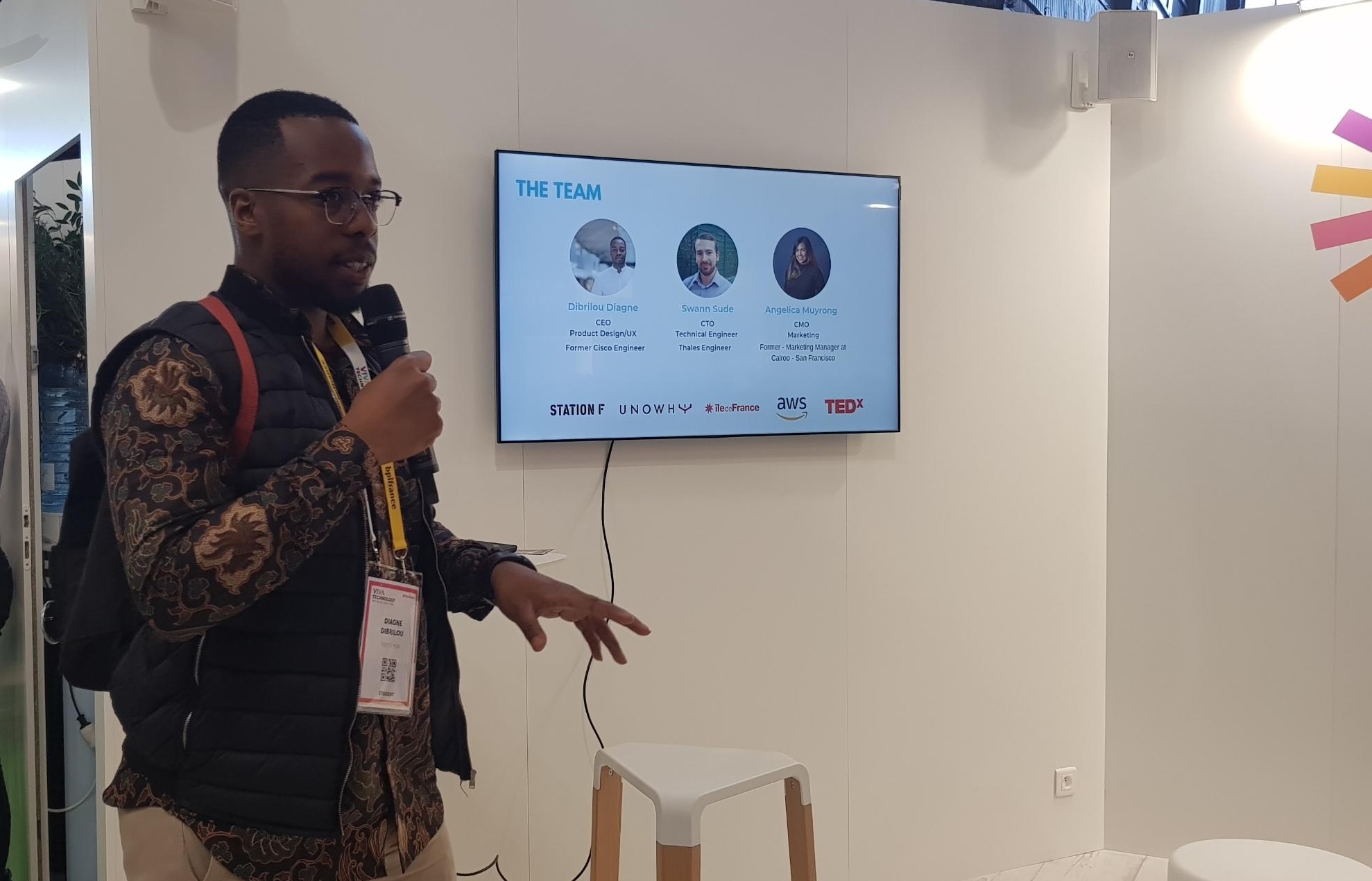
In 2018, Dibrilou Diagne joined the Station F Founders Program — one of Europe's most selective startup accelerators — to co-found School Run. The idea was simple to articulate, difficult to execute: build a mobile application that makes mental arithmetic genuinely engaging for children, and adoptable by teachers.
The founding observation was well-documented: too many children leave primary school without mastering the fundamentals of arithmetic. Existing digital tools simply reproduce the textbook on a screen. They fail to leverage what mobile truly enables: immediate feedback loops, visible progression, and play.
School Run was built on a core product conviction: gamification is not a gimmick — it is a lever for learning. But that requires designing it with method, testing it with real students, and improving it relentlessly.
The product method
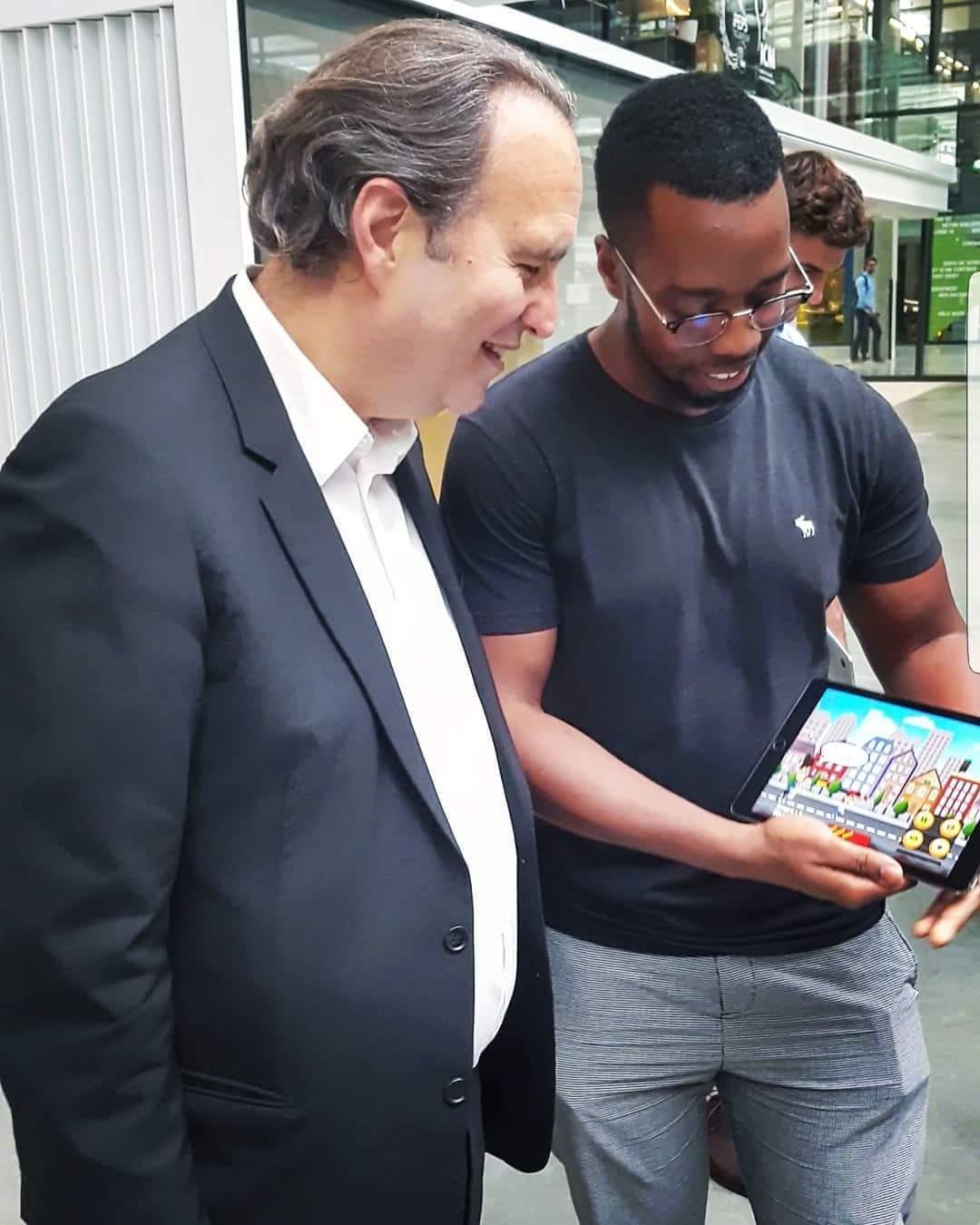
Before writing a single line of code, the team laid the foundations that separate a product built to last from an app that languishes in the stores.
Define a clear vision. School Run is not "a maths app." It is a tool designed to be used both in the classroom and at home, by children aged 6 to 12, across educational contexts that vary significantly from country to country. This precision shapes every design and development decision.
Prioritize a roadmap, not a wish list. With a team of six — developers and designers — every sprint must deliver measurable value. Dibrilou steers the roadmap by continuously arbitrating between what is important, what is urgent, and what can wait. Features are decided on the basis of usage data, not intuition.
An MVP, then 20+ versions in production. The first version of School Run is deliberately limited. It covers the essential scope: a few game modes, a progression system, an interface readable by a 7-year-old. Only after the first field feedback does the application grow in depth. In total, more than 20 versions were shipped to production, each guided by concrete learnings.
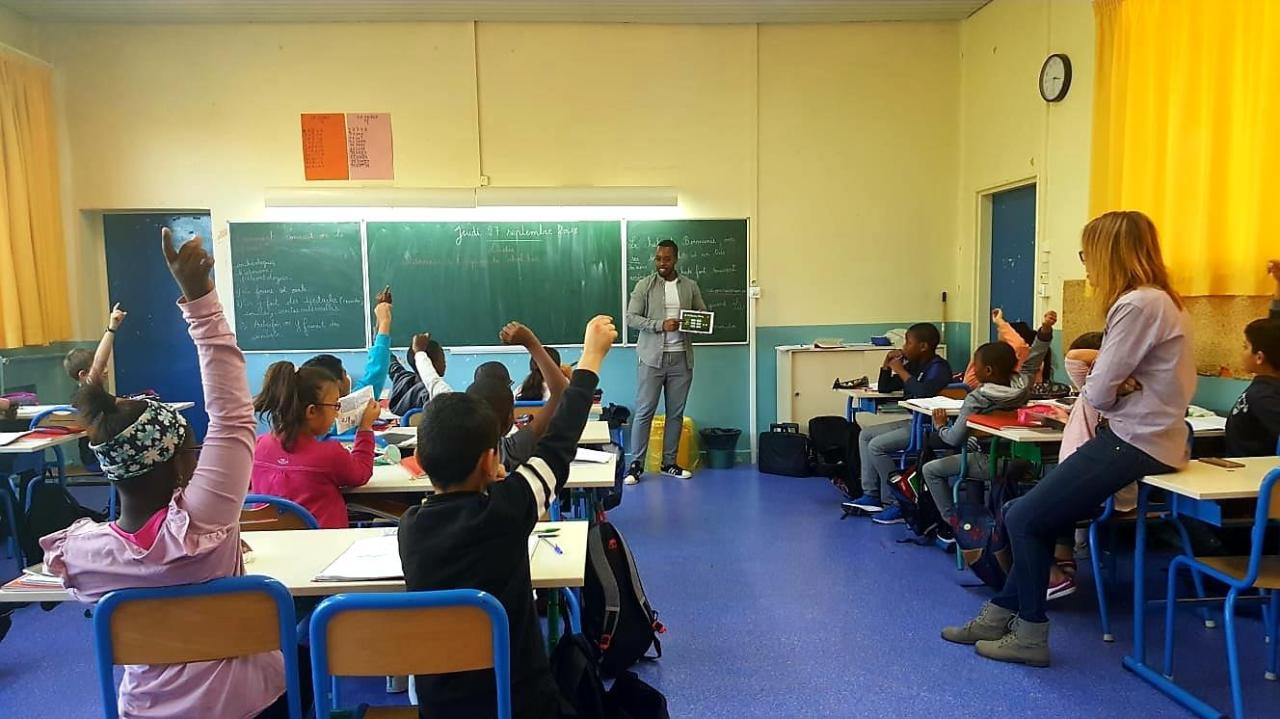
Real user testing, not assumptions. The team goes into schools. They observe how children interact with the app, where they get stuck, what makes them smile or quit. These sessions are not formalities: they reconfigure priorities and prevent investment in features nobody uses.
Usage KPIs as a compass. Retention rate, session length, exercise completion rate, progression by level — these indicators are tracked regularly and compared against product changes. When a number drops, the team investigates why before moving on.
The role of gamification and iteration
School Run's gamification is built on a few proven principles: immediate rewards, progressive difficulty, peer leaderboards, and timed challenges. But its real strength is not in the initial game mechanics — it lies in the ability to continuously adjust those mechanics.
"Ship fast and improve later" is not a lazy startup posture. It is a discipline: the discipline of learning faster than your competitors.
Every version of School Run is a hypothesis tested on real users. A challenge mechanic that looked promising on paper may turn out to be frustrating for first-grade children. A dashboard designed for teachers may prove too complex for classrooms with limited digital equipment.
It is this ability to integrate field signals into the product cycle that allowed School Run to adapt to contexts as different as France, Senegal, the UAE, and the Philippines — without starting from scratch each time.
Internationalization was not treated as a separate workstream: it was built into the technical architecture and design choices from the very first iterations. As a result, when the opportunity to deploy in a new country arose, the team was ready.
Results
The numbers speak for themselves, without needing amplification.
School Run is ranked 4th on the Google Play Store in its Education category — a ranking that reflects both perceived quality and the relevance of its store positioning.
More than 60,000 schoolchildren have used the app. School Run was selected by Apple and became an AWS partner — rare recognition for an independent educational application.
The app is used in schools across 8 countries: France, Senegal, the United Arab Emirates, the Philippines, the United States, and several other territories. This international reach is not the result of chance: it is the direct consequence of a product vision designed to cross borders from day one.
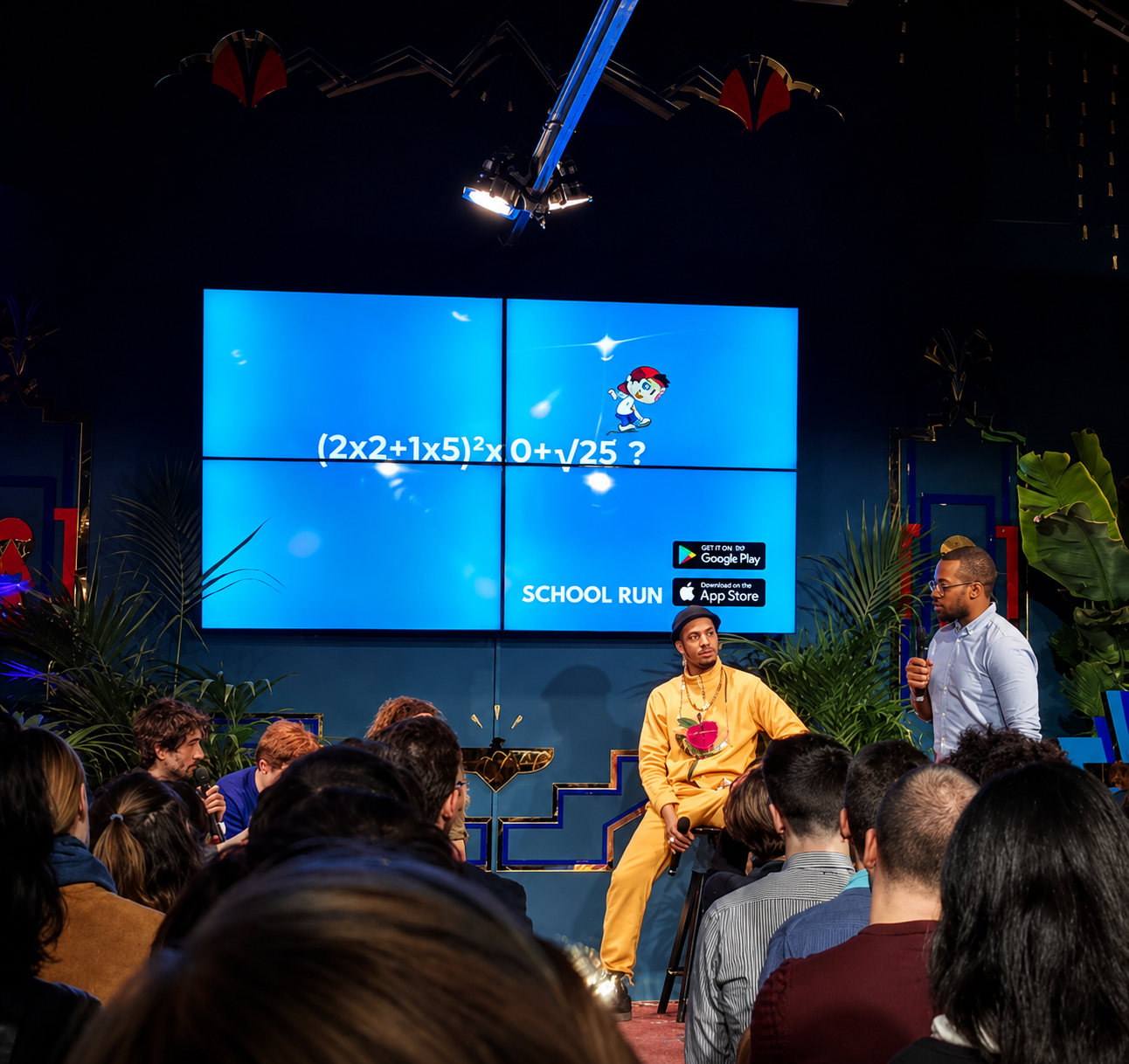
20+ versions shipped to production over the course of the project: each delivered a measurable improvement, validated by usage data and teacher feedback.
A team of six people. A product deployed at global scale. This is what rigorous product methodology — applied with consistency — makes possible.
Lessons that apply to your product
What School Run teaches is not specific to education or mobile. These are principles that apply to any digital product, B2C or B2B.
Ship an MVP, not a perfect product. Perfection at launch is a costly illusion. What matters is getting the product into the hands of real users as early as possible. You will learn more in two weeks in the field than in six months of specification work.
Listen to usage, not opinions. Users do not always know what they want, but their behavior shows you. A high drop-off rate on a feature tells you more than a focus group. Build a data culture from the start.
Iterate relentlessly, but with method. Iterating does not mean changing for the sake of change. Every update must respond to an identified, measurable hypothesis. Without this discipline, you generate noise, not value.
Target international markets early. Too many products treat internationalization as a phase 3 or phase 4 initiative. That is a mistake: the architectural, design, and content choices made upfront determine how easy — or difficult — it will be to adapt to other markets. Thinking global from the MVP dramatically expands the product's potential.
Trust a small, aligned team. Six people, a shared vision, clear roles. Size is not a handicap when the method is solid.
Dibrilou Diagne co-founded School Run in 2018. Since then, he has accumulated more than 11 years of experience in IT, product management, and agile methodologies, across both corporate and startup environments. He is now founder of Twenty and CTO of Saana.
At Twenty, the conviction is the same as it was at Station F: the best products are not born from unlimited budgets, but from rigorous methodology, a clear vision, and the ability to learn fast. That is what Twenty brings to its clients — with the expertise of a large organization and the closeness of a true partner.
Let's talk about your project
You have a digital product to build, an idea to launch, or a project to accelerate?
Let's connect directly:
- WhatsApp: +33 6 34 42 50 56
- Email: contact@twentyconsultancy.com
A first conversation, no commitment, to see if we can build something solid together.